
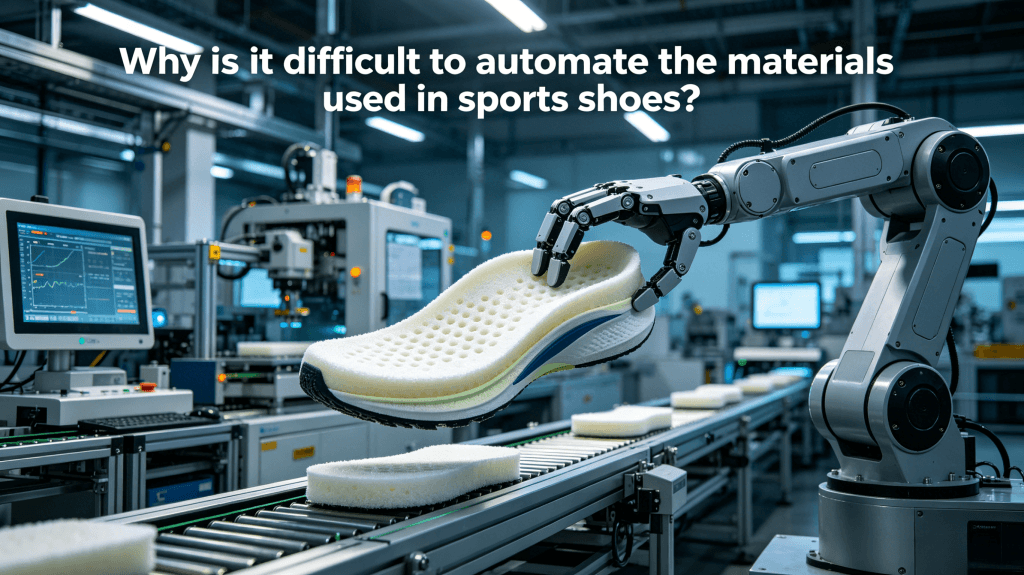
In an age of advanced automation, why do top-tier running shoes still rely on the hands of master craftsmen? An interesting phenomenon is that in the factories of the world’s leading sports brands, automated equipment is only responsible for cutting and initial processing stages, while the core steps—assembly and sole attachment—are still completed manually by skilled workers. Behind this lies a systemic challenge formed by a complex interplay of materials, processes, and market factors。
- Materials Are Prone to Deformation
Sports shoe manufacturing involves dozens of soft, elastic, and easily deformable materials—such as textiles, foams, and rubber—which are fundamentally different from the rigid, standardized materials (like metals and plastics) that machines are good at handling. Robots face enormous challenges in grasping, positioning, and stitching these materials.
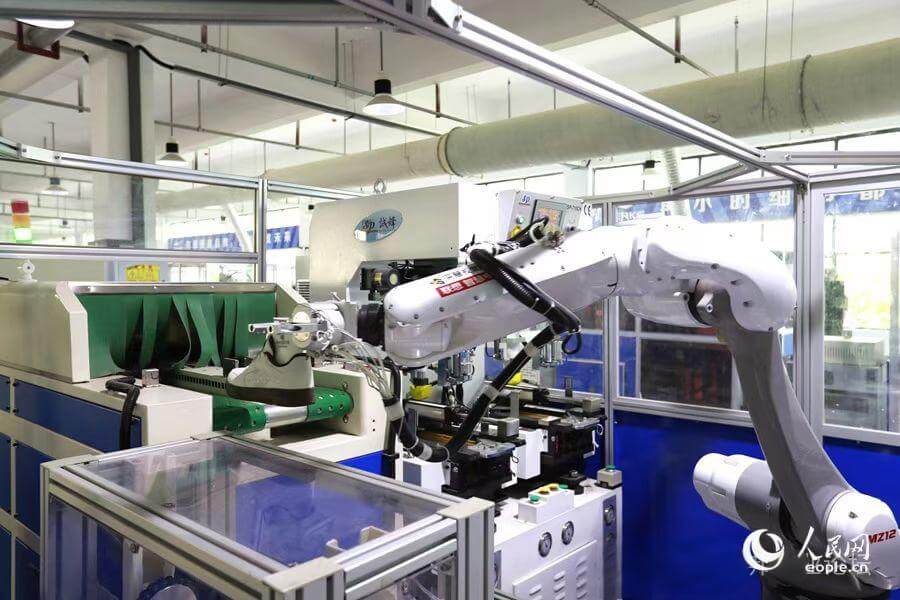
First, the rigid grippers of robots struggle to securely grip flexible fabrics, often causing misalignment, wrinkling, or even tearing. Second, shoe materials expand or contract with temperature changes; workers can make real-time adjustments based on tactile feedback, but automated systems require complex sensors and algorithms to accommodate such variations—making them costly and inefficient.
2. Processes Are Precise and Complex
Shoe manufacturing involves numerous meticulous steps—cutting, stitching, adhesive application, bonding, and more. Each part has different curvatures, heights, lengths, and widths. Added to this is the vast variety of products (colors, styles, etc.) and sizing systems, resulting in far more variables during production than standardized expectations can handle. This forces reliance on skilled workers to make on-the-spot judgments and adjustments based on experience.
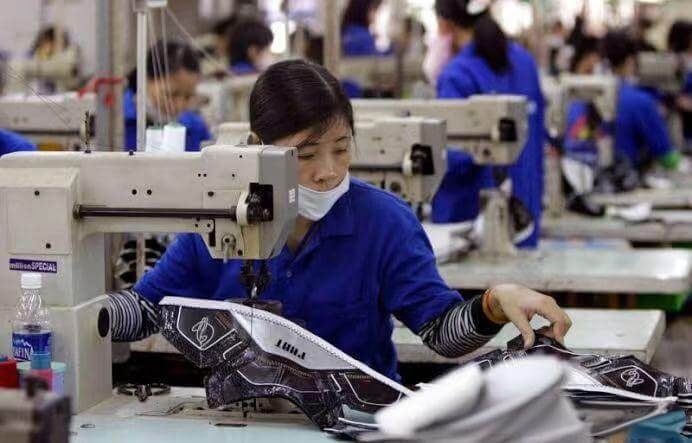
Take the bonding of the sole to the upper as an example. Most sports shoe midsoles are made of supercritical foamed materials with inherent dimensional tolerances. When such a sole is joined to the upper, real-time fine-tuning is required at the moment of bonding based on actual measurements. Current automation equipment lacks this tactile-based adaptive compensation capability.
3. Market Demand Is Highly Volatile
Sports shoes are not just functional products; they are also fashion and cultural symbols. Their rapid iteration cycles conflict with the logic of automated production. Automation pursues “long cycles, high volume, and repeatability,” while the sports consumer market demands “short cycles, high variety, and small batch sizes.”
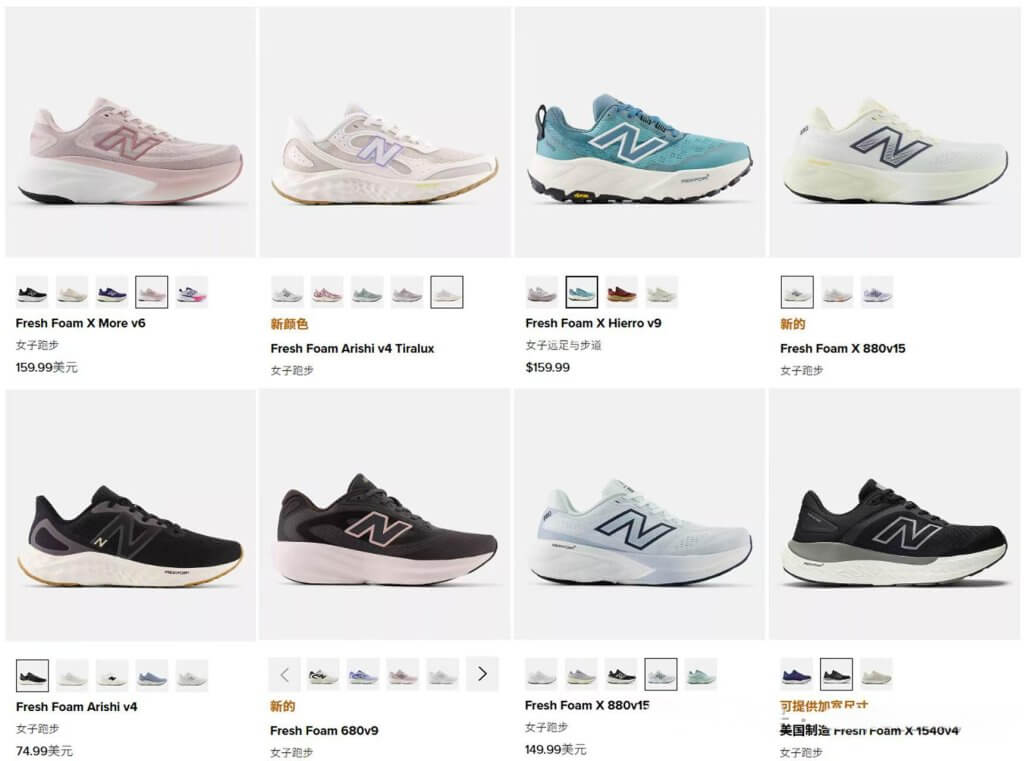
Industry data shows that the changeover time and debugging costs of an automated production line are not yet sufficient to cope with the high-frequency product updates of sports brands. For example, Nike’s team once spent eight months developing an automated logo-application solution—only for the company to launch a new shoe model just as the solution was completed, rendering the old plan immediately obsolete. In the end, the factory had to increase its workforce far beyond the scale typical for Asian factories to meet production demand.
4. Industry Status: Automation Achieves “Local Breakthroughs,” Not Full Replacement
Despite the significant difficulties of full automation, the industry has not given up. At present, notable progress has been made in automating certain segments. For instance, in sole production, upper cutting, and stitching, higher levels of automation have been achieved through customized equipment and improved jigs and fixtures.
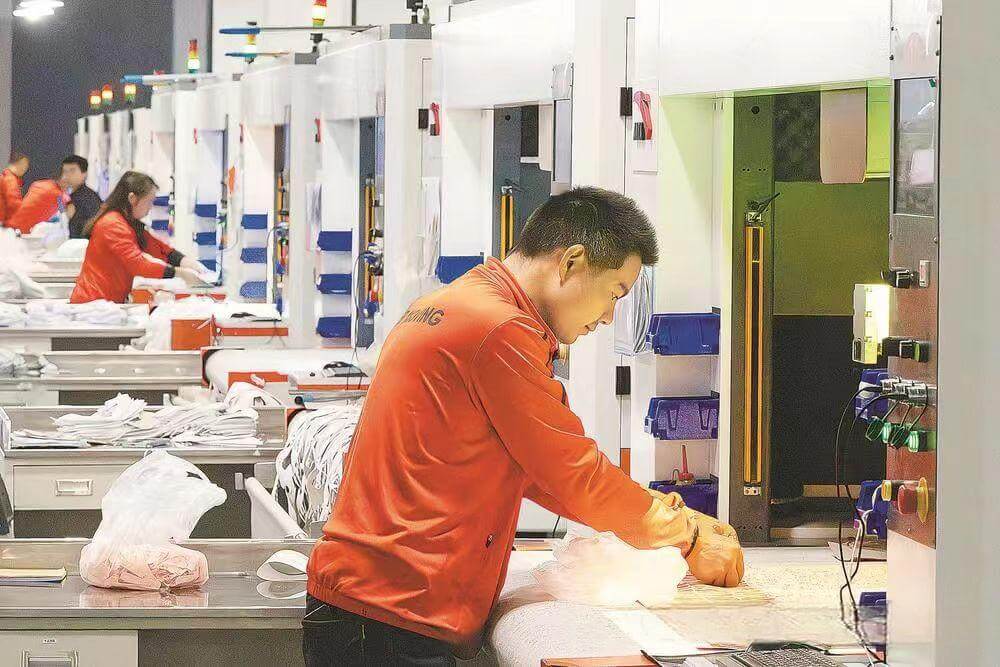
However, this is still far from a “unmanned production line.” Current automation is mostly applied to processes with higher standardization. Those steps that require flexible handling and fine judgment—such as upper-sole bonding and material positioning/clamping—still heavily depend on manual labor. It is foreseeable that sports shoe manufacturing will remain in a state of “human-machine collaboration” for a considerable period to come.
#FootwearManufacturing #SportsShoe #ShoeAutomation #SmartManufacturing #HumanMachineCollaboration #SupercriticalFoam #FootwearMaterials #YateNewMaterials
Source from Aibang Shoes Forum(TPE),Please contact us if there is any infringement.