
Latest Market Research Report
PART1
Product Definition and Applications
Footwear materials encompass a wide variety of natural and synthetic substances used in the manufacture of shoes and other types of footwear. The selection of these materials is determined by characteristics such as durability, comfort, breathability, and weather resistance. Common materials include leather, rubber, and plastics, each of which plays a significant role in the structure, comfort, and performance of the footwear.
PART2
Overall Size of the Global Market
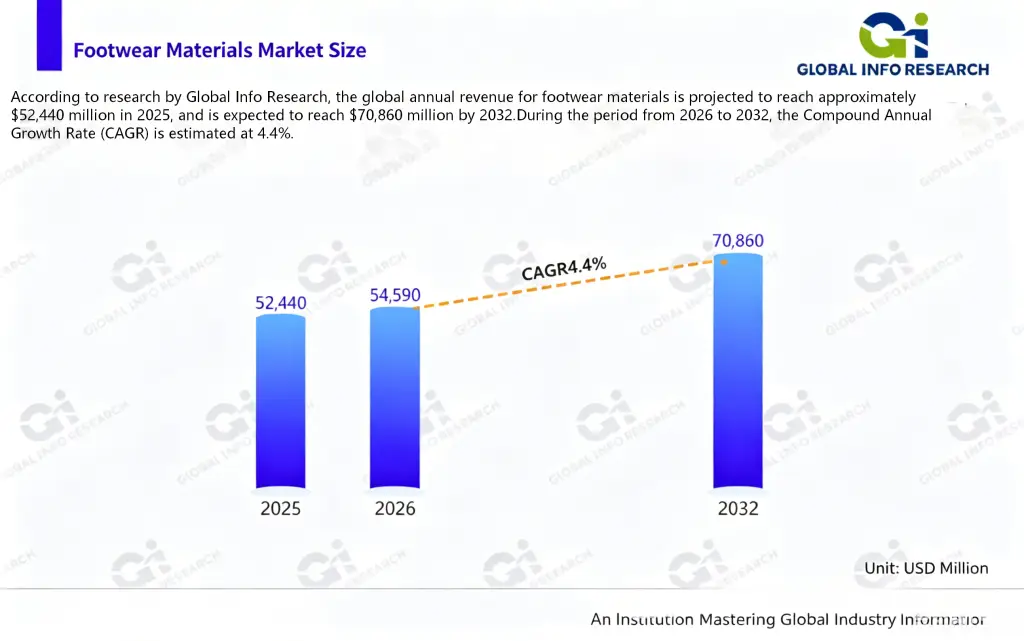
According to the latest market research report published by Global Info Research—titled *Global Shoe Materials Market Size, Key Manufacturers, Major Regions, Product and Application Segmentation Study Report 2026*—the global shoe materials market revenue is estimated at approximately US$52,440 million in 2025. This figure is projected to reach US$70,860 million by 2032, representing a Compound Annual Growth Rate (CAGR) of 4.4% over the period from 2026 to 2032.
PART3
Manufacturer Rankings and Market Share
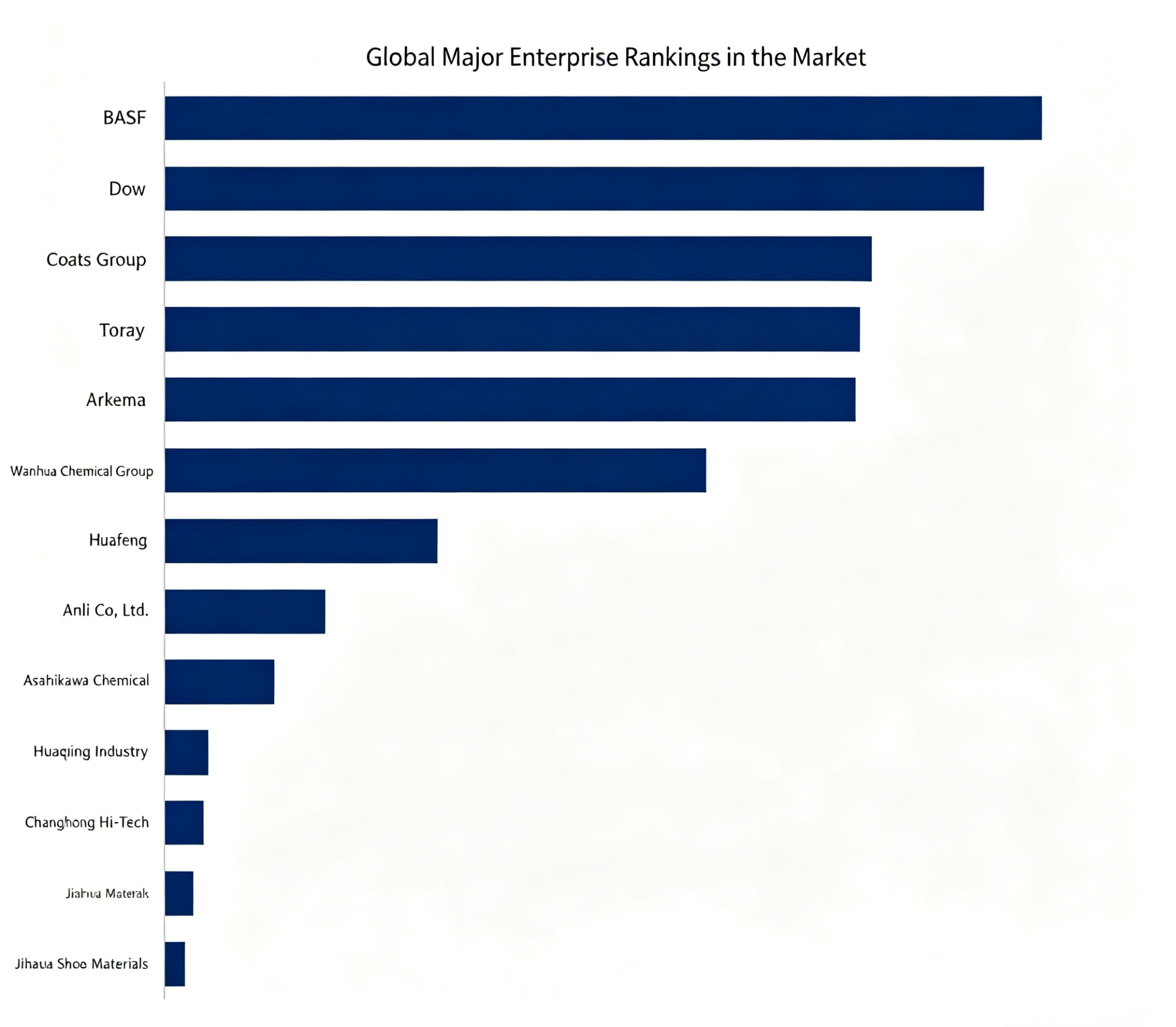
According to research conducted by the Leading Enterprises Research Center at Global Info Research, key global manufacturers of footwear materials primarily include BASF, Dow, Coats Group, Toray, Arkema, Wanhua Chemical Group, Huafeng, Anli Shares, Xuchuan Chemical, and Huaqing Industrial. In 2024, the top five global manufacturers collectively held an approximate market share of 5.0%.
PART4
Market Segmentation
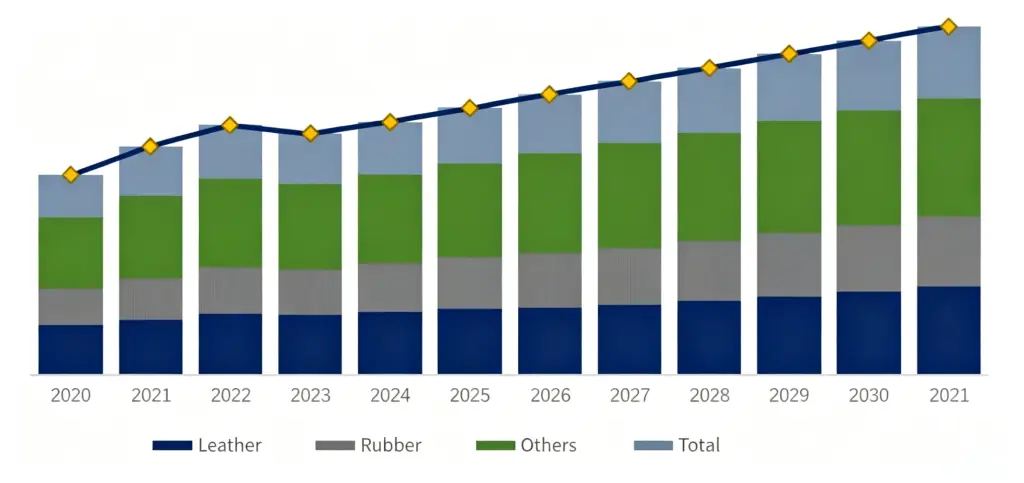
Global Market Size, Segmented by Product Type
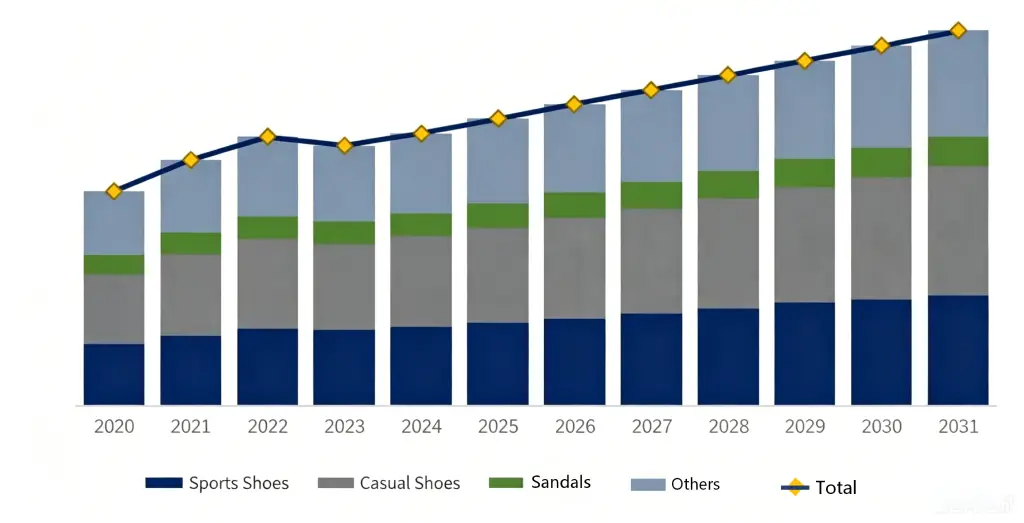
Global market size, segmented by application
PART5
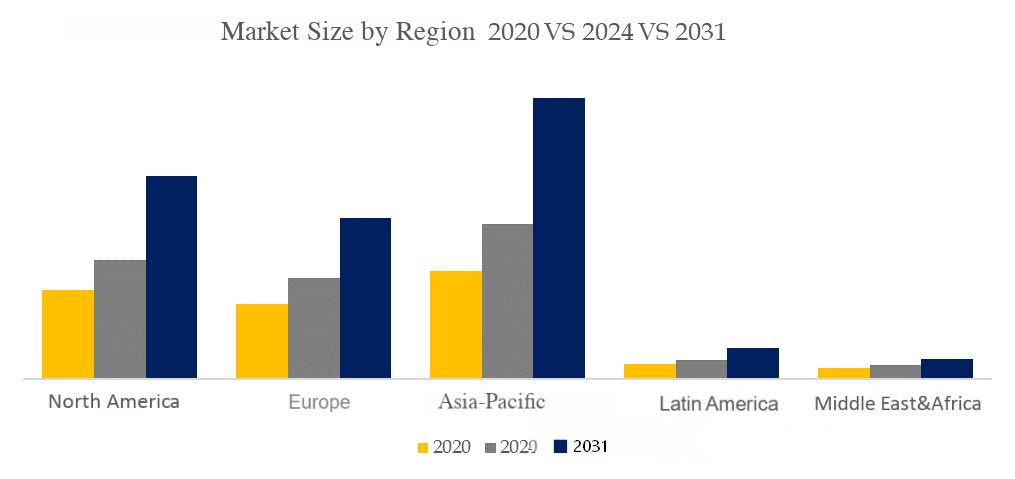
Global Major Market Sizes
Market Drivers:
Advanced materials science is reshaping the composition of footwear. Footwear brands and material suppliers are collaborating to develop smart, adaptive materials capable of responding to pressure, temperature, or foot movement.
The athleisure and wellness trends have fundamentally transformed the footwear industry. Growing global demand for running shoes, training footwear, and hiking boots has fueled a surge in the need for performance-oriented materials.
As global populations and income levels rise—particularly across Asia, Africa, and Latin America—the demand for footwear continues to grow. This naturally drives a corresponding increase in the demand for raw materials.
Market Challenges:
While demand for eco-friendly materials is robust, many of the most promising alternatives—such as mycelium leather, algae-based foams, or bioplastics—remain expensive, have low production yields, or have yet to achieve commercial scale.
Many core footwear materials—including natural rubber, leather, polyurethane (PU), and EVA foam—are highly sensitive to fluctuations in global commodity prices.
Increasingly stringent environmental regulations worldwide are exerting a growing impact on the materials used in traditional footwear, particularly solvent-based adhesives, PVC, chrome-tanned leather, and other petrochemical-derived synthetic materials.
From Quanzhou Yate New Materials Technology Team
86 13959975382
This article draws excerpts from the report *Global Footwear Materials Market Size, Key Manufacturers, Major Regions, Product & Application Segmentation Analysis (2026)—Global Info Research*, published by Global Info Research. Employing professional market research methodologies, the report conducts an in-depth analysis of the footwear materials market; furthermore, it thoroughly examines the impact of U.S. tariff policies—as well as the countermeasures adopted by various nations—on market competitors, including the effects on regional economic performance and supply chains.